Organic coconut oil - A kitchen must-have
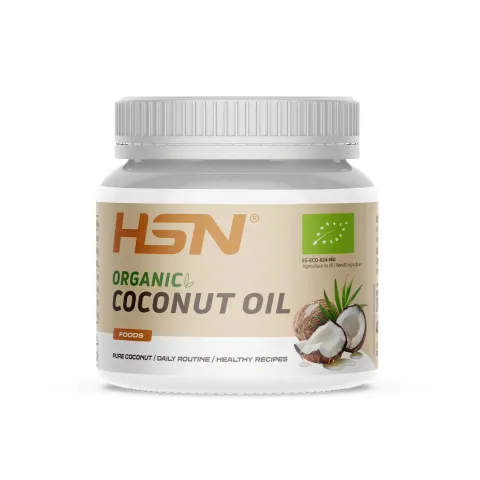
Organic coconut oil from BioSeries is a vegetable oil made from fresh coconut pulp, obtained through cold extraction and unrefined. It’s a perfect pick for anyone looking for a versatile cooking fat with an optimal nutritional profile and super easy use in everyday recipes.
A cooking fat that gives you: texture, stability, and a 100% fat profile, with no sugars or carbs, perfect for classic recipes, baking, and low-carb dishes.
Cook easily using organic coconut oil in your recipes.
What makes it special
The secret of this oil lies in its process and raw material. Since it’s made from fresh pulp and extracted by cold pressing, it keeps its virgin character without going through refining, deodorizing, or bleaching.
- 100% fat: 100 g of fat per 100 g of product.
- Predominantly saturated fats: 94.5 g of saturated fat per 100 g.
- No carbs: 0 g of carbohydrates and 0 g of sugars.
- No proteins or salt: 0 g of proteins and 0 g of salt.
Also, coconut oil is naturally known for containing medium-chain triglycerides (MCTs). In cooking, this means it’s a perfect ingredient for keto/low-carb recipes.
Why is it sometimes solid and other times liquid?
It’s totally normal: coconut oil changes state with temperature. At room temperature, it’s usually solid, and when it goes above roughly 24–25 °C, it turns liquid. This doesn’t mean it’s gone bad, it’s just a typical feature of its fat composition.
Pro tip: if you want it liquid to mix better, place the jar near a gentle heat source or use a warm water bath without boiling for a few minutes. If you prefer it solid for spreading or texture, keep it in a cool spot.
How to use organic coconut oil in your daily life
This oil is super versatile: it adds texture, handles cooking temperatures well, and fits both sweet and savory recipes. Looking for quick ideas? Here are some handy uses:
- Everyday cooking: use it as cooking fat for stir-fries and grilling.
- Fat substitute: an alternative to butter or other oils in recipes.
- Baking: perfect for cakes, cookies, and doughs where the gentle coconut touch works well.
- Low-carb / keto: naturally fits thanks to its 0 g carbs and sugars profile.
- Vegan cooking: an ideal fat for creams, toppings, and bases.
- “Bulletproof” drinks: add a small amount to coffee or hot drinks and blend for a silkier texture to make a functional coffee.
A simple ingredient that upgrades your recipes thanks to its texture and ease of use, no fuss.
Recommended combos
If you love creating recipes, organic coconut oil pairs especially well with other pantry staples:
- For bulletproof coffee: together with Ghee.
- For homemade baking: with cocoa powder and sweeteners suitable for your recipes.
- For “fit” cooking: in toppings and creams with protein powders (mix gradually to get the desired texture).
Frequently asked questions
Is it normal for it to have a mild coconut aroma and taste?
Yes. Being an unrefined oil, it keeps its natural character, including the typical coconut aroma.
Can I use it in keto or low-carb recipes?
Yes. Because of its composition (100% fat, 0 g carbs and sugars, with MCTs), it’s a very common ingredient in these types of diets.
How should I store it?
In a cool, dry place, tightly closed. If it changes from solid to liquid (or vice versa) due to temperature, that’s completely normal.
Discover HSN’s organic products
Organic coconut oil is a simple way to take care of your kitchen: selected raw materials, a cold extraction process, and a 400 g container designed to accompany you in daily recipes, with a clear, high-quality composition philosophy.
When a staple is well chosen, it shows in every recipe: discover it with HSN’s organic coconut oil.
Scientific literature on coconut oil
- FoodData Central. (n.d.). Coconut oil. U.S. Department of Agriculture.
- Marina, A. M., Che Man, Y. B., & Amin, I. (2009). Virgin coconut oil: Emerging functional food oil. Trends in Food Science & Technology, 20(10), 481–487
- Nagao, K., & Yanagita, T. (2010). Medium-chain fatty acids: functional lipids for the prevention and treatment of the metabolic syndrome. Pharmacological research, 61(3), 208–212.
- Rahman, A., Baharlouei, P., Koh, E. H. Y., Pirvu, D. G., Rehmani, R., Arcos, M., & Puri, S. (2024). A Comprehensive Analysis of Organic Food: Evaluating Nutritional Value and Impact on Human Health. Foods (Basel, Switzerland), 13(2), 208.

 Delivery in 3-5 working days









 Before
 After
After During
 Morning
 Afternoon
 Night
Night