A vitamin D3 for your day-to-day all year round
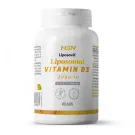
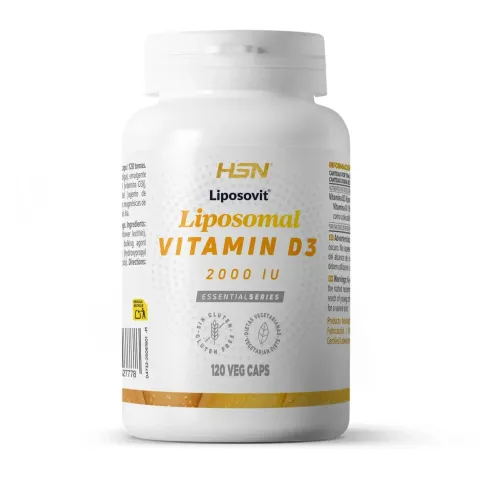
Liposomal Vitamin D3 (Liposovit®) 2000 IU from EssentialSeries is a dietary supplement based on vitamin D3.
Liposovit® is a liposomal encapsulation technology that surrounds vitamin D3 with a protective lipid matrix, supporting its absorption and use by the body compared to conventional non-liposomal forms.
A better way to complement your diet with high-quality vitamin D3.
Discover everything it offers you
Vitamin D is a key nutrient
Vitamin D3 contributes to the normal absorption and use of calcium and phosphorus, to the maintenance of bones and teeth in normal conditions, to the normal functioning of muscles, to maintaining normal calcium levels in the blood, and to the normal functioning of the immune system.
These properties make it a key nutrient for bone health, muscle function, and immune support all year round.
Liposovit®: unmatched stability and quality
The liposomal format of Liposovit® optimizes the bioavailability of vitamin D3 by protecting it during digestion. This process ensures the nutrient is used optimally.
Also, the Liposovit® system maintains the integrity of vitamin D3 over time, guaranteeing product stability and quality for the longest time, without special storage conditions (like refrigeration).
2000 IU dose: the ideal amount for daily maintenance
Each capsule provides 2000 International Units (IU), equivalent to 50 micrograms of vitamin D3, from the Liposovit® liposomal complex. This amount is suitable as a maintenance dose for adults throughout the year.
During autumn and winter months, skin production of vitamin D decreases due to less sun exposure. In these cases, a daily vitamin D3 supplement can be especially useful to maintain adequate nutrient levels.
At HSN we offer different liposomal vitamin D3 options so you can adjust your intake according to the time of year or your specific needs.
Minimalist formula and clean label philosophy
Liposomal Vitamin D3 (Liposovit®) 2000 IU has been crafted under clean formulation principles, without unnecessary aesthetic additives or preservatives. It contains only liposomal vitamin D3 as the main nutrient.
A simple, quality formula compatible with any supplementation routine.
How to take it
Vitamin D3 is a fat-soluble nutrient, so taking it with foods containing healthy fats is the best way to consume it.
You can take it at any time of day, as there’s no specific time window that improves nutrient absorption.
You can easily combine it with other dietary supplements, since vitamin D3 has no incompatibilities with other nutrients or compounds. It’s most commonly combined with vitamin K and calcium due to their synergistic properties for bone health.
Questions & Answers about this product
Why choose the 2000 IU version?
It’s a balanced and safe dose that helps maintain optimal vitamin D3 levels all year, especially useful for daily maintenance or periods of moderate sun exposure.
What sets liposomal vitamin D apart from other forms?
The liposomal format is considered an advanced and optimized way to supplement vitamin D3 by protecting it throughout the digestive process, offering greater stability compared to conventional formats.
How long can I take it?
The 2000 IU dose can be taken continuously as long-term maintenance, without needing breaks, within a balanced diet.
Can I use it while taking creatine or a multivitamin?
Yes. Vitamin D3 is compatible with any product. Given its adjusted dose, it works well with multivitamins that may contain moderate amounts of vitamin D3, unlike more concentrated formats where dose adjustments might be needed to avoid too high intake.
Is it suitable for vegans?
No, it’s suitable for vegetarian diets. This vitamin D3 comes from lanolin, unlike our vegan alternatives derived from lichen, so people following strictly plant-based diets should not use this product, but rather its vegan alternative, which you can find in the HSN catalog.
References
- Parva, N. R., Tadepalli, S., Singh, P., Qian, A., Joshi, R., Kandala, H., … Cheriyath, P. (2018). Prevalence of Vitamin D Deficiency and Associated Risk Factors in the US Population (2011-2012). Cureus, 10(6), e2741.
- Wacker, M., & Holick, M. F. (2013). Sunlight and Vitamin D: A global perspective for health. Dermato-Endocrinology, 5(1), 51–108.
- Matsuoka, L. Y., Ide, L., Wortsman, J., Maclaughlin, J. A., & Holick, M. F. (1987). Sunscreens Suppress Cutaneous Vitamin D3 Synthesis. Journal of Clinical Endocrinology and Metabolism, 64(6), 1165–1168.
- Sassi, F., Tamone, C., & D’amelio, P. (2018). Vitamin D: Nutrient, hormone, and immunomodulator. Nutrients, 10(11).
- Tripkovic, L., Lambert, H., Hart, K., Smith, C. P., Bucca, G., Penson, S., … Lanham-New, S. (2012). Comparison of vitamin D2 and vitamin D3 supplementation in raising serum 25-hydroxyvitamin D status: A systematic review and meta-analysis. American Journal of Clinical Nutrition, 95(6), 1357–1364.

 Delivery in 3-5 working days











 Before
 After
After During
 Morning
 Afternoon
 Night
Night